




 Blog
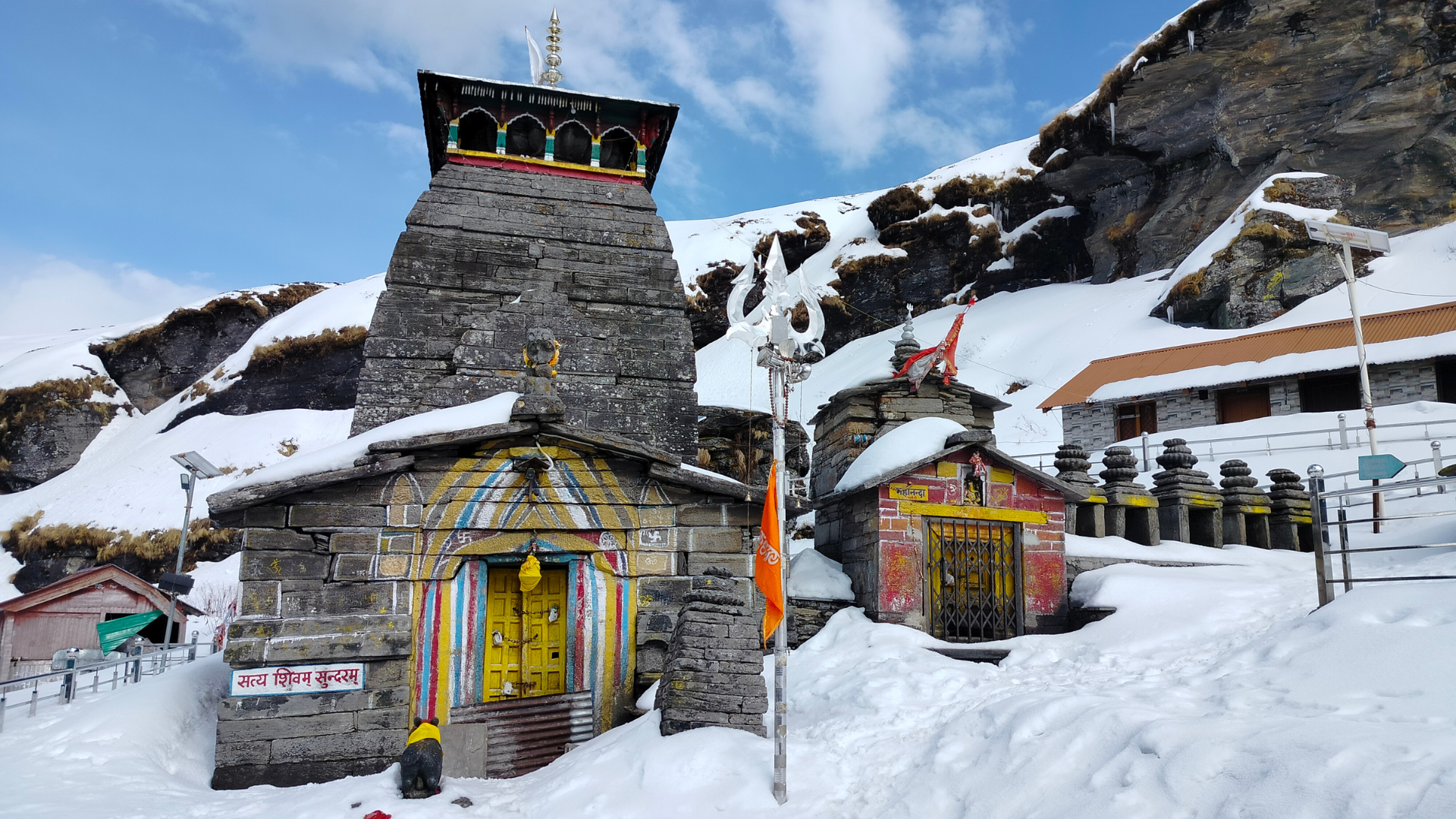
BlogWhen people think of winter trekking in India, one name consistently tops the list: Uttarakhand. From beginner-friendly snow trails to summit climbs with jaw-dropping views, Uttarakhand offers the perfect balance of accessibility, safety, scenery, and experience. But what exactly makes this Himalayan state the best choice for winter treks? Let’s break it down.
1. Reliable Snowfall Without Extreme Risk
One of the biggest reasons Uttarakhand dominates winter trekking is its predictable snowfall patterns. Regions like Sankri, Chopta, and Uttarkashi receive steady snow during winter without the extreme avalanche risks seen in very high-altitude regions.
Treks like Kedarkantha, Dayara Bugyal, and Deoriatal–Chandrashila offer consistent snow experiences while remaining non-technical, making them ideal for both beginners and experienced trekkers.
2. Perfect Mix of Beginner & Advanced Treks
Uttarakhand is one of the few Himalayan regions where you can start small and gradually level up all within the same state.
• Beginners can start with Kedarkantha or Dayara Bugyal
• Intermediate trekkers can explore Kuari Pass or Brahmatal
• Experienced trekkers can aim for challenging routes like Rupin Pass or Bali Pass
This makes Uttarakhand a long-term trekking destination rather than a one-time visit.
3. Shorter Itineraries, Bigger Rewards
Most winter treks in Uttarakhand range between 3 to 6 days, making them perfect for working professionals and first-time trekkers.
Despite shorter durations, the rewards are massive snow-covered forests, alpine meadows, frozen lakes, and summit views of peaks like Chaukhamba, Swargarohini, Bandarpoonch, and Nanda Devi.
This high reward-to-effort ratio is a major reason why Uttarakhand treks rank so high in Google searches every winter.
4. Excellent Road Connectivity & Logistics
Compared to other Himalayan regions, Uttarakhand offers better road access and established trekking base villages. Places like Dehradun, Rishikesh, and Haridwar act as reliable gateways to the mountains.
This means: • Easier emergency access
• Shorter travel fatigue
• More dependable winter operations
For winter conditions, strong logistics are not a luxury, they’re a necessity.
5. Strong Local Trekking Culture
Uttarakhand has a deep-rooted trekking culture supported by local guides, homestay owners, and mountain communities who have worked in these regions for decades.
This local expertise translates into: • Better trail knowledge
• Safer decision-making in changing weather
• Authentic mountain experiences
Winter trekking here feels organised, responsible, and sustainable, not rushed or experimental.
6. Landscapes That Change Every Day
Winter transforms Uttarakhand dramatically. A trail that looks green in summer becomes completely white in December. Forests turn silent, meadows disappear under snow, and campsites feel untouched.
Each day on a winter trek brings: • New snow patterns
• Changing light on peaks
• Fresh perspectives of the same trail
This dynamic environment keeps trekkers engaged and emotionally connected to the journey.
7. Ideal for First-Time Snow Experiences
For many Indians, a winter trek in Uttarakhand is their first real snow adventure. Unlike tourist-heavy snow destinations, trekking allows people to experience snow in a raw, immersive way walking through it, camping in it, and earning every view.
This emotional connection is why trekkers often return to Uttarakhand year after year.
