




 Blog
BlogWinter treks in the Himalayas are magical, but they also demand proper preparation especially for beginners. Treks like Kedarkantha, Deoriatal-Chandrashila offer stunning snow-covered landscapes, cozy camps, and breathtaking sunrises. But to truly enjoy the adventure, knowing what to carry for a winter snow trek is crucial.
Here’s a complete beginner’s packing guide to help you stay warm, safe, and comfortable on your Himalayan winter adventure
1. Clothing Essentials for Snow Treks
Staying warm is the key to enjoying a winter trek. Layering is your best friend.
- Base Layer: Thermal innerwear (top and bottom) to retain body heat.
- Mid Layer: Fleece jackets or woolen sweaters for insulation.
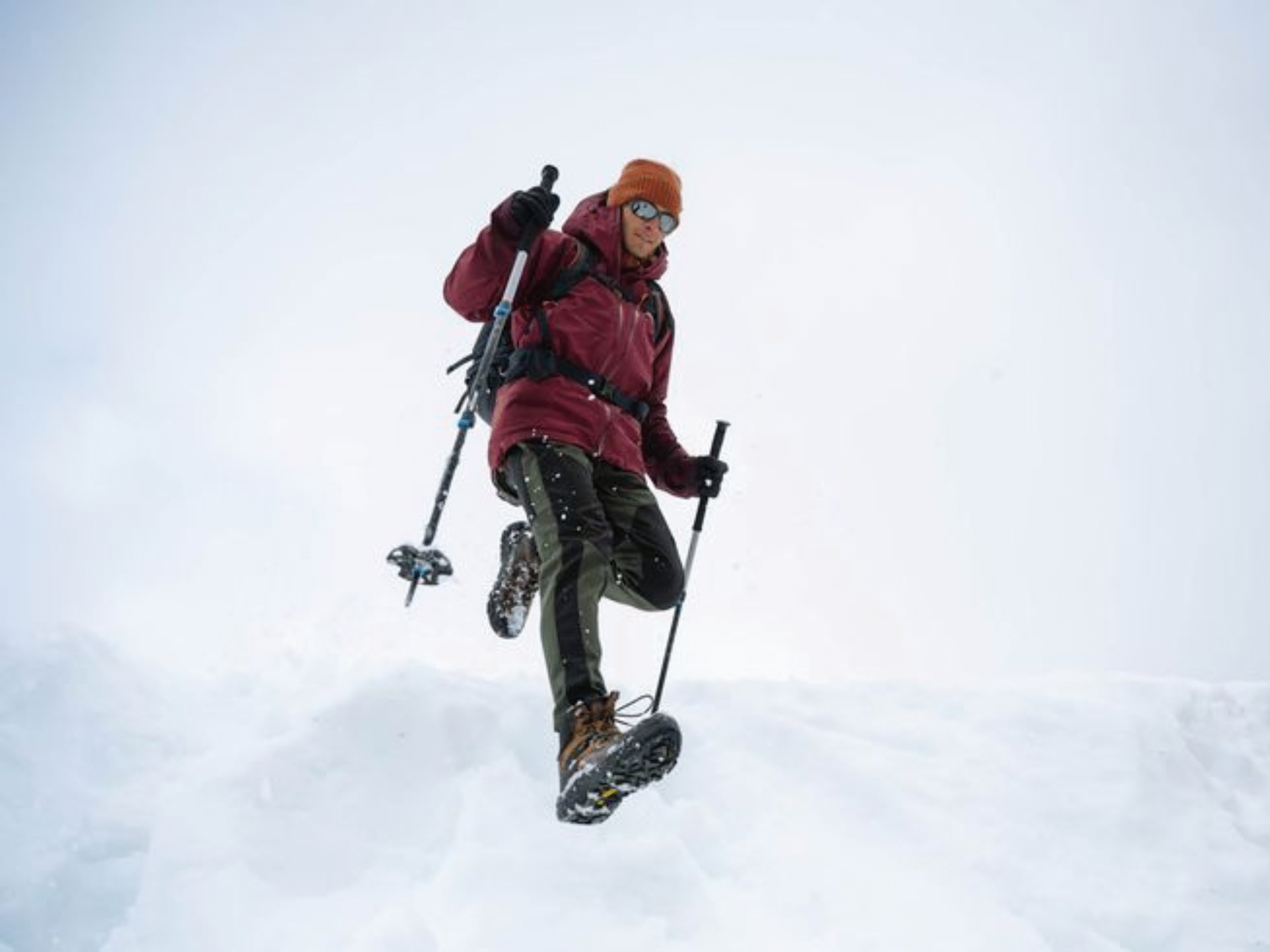
- Outer Layer: Waterproof and windproof jacket and pants to protect from snow and wind.
- Extra Layers: Lightweight down jacket for high-altitude mornings and evenings.
- Accessories: Woolen gloves, warm cap/beanie, neck gaiter or scarf, and thermal socks.
Tip: Avoid cotton, it absorbs moisture and makes you cold.
2. Footwear for Snow Treks
Your feet will make or break your trek. Proper footwear keeps you safe and comfortable.
- Trekking Boots: Waterproof, insulated, and with good grip for snowy terrain.
- Gaiters: To prevent snow from entering your boots.
- Extra Socks: Carry at least 2–3 pairs of thick woolen or thermal socks.
3. Trekking Gear
Even for beginner treks, having the right gear is essential.
- Backpack: 30–40L waterproof backpack for essentials.
- Trekking Poles: Helpful on slippery or steep trails.
- Headlamp or Torch: Essential if you start early in the morning or trek in low light.
- Water Bottle or Thermos: Staying hydrated is key as a thermos keeps water warm.
- Sunglasses & Sunscreen: Snow reflects sunlight and protects your eyes and skin.
4. Personal Care & Health Items
High-altitude winter treks can take a toll on your body, especially if you’re a beginner.
- Lip Balm & Moisturizer: Cold air dries out your skin.
- Basic First Aid Kit: Band-aids, pain relievers, antiseptic, altitude sickness tablets (if recommended).
- Snacks: Energy bars, dry fruits, chocolates, and other quick snacks for energy on the trail.
- Personal Medications: Don’t forget any daily medications.
5. Optional but Useful Items
- Camera/Phone with Extra Battery: Capture the stunning snow-covered trails.
- Hand Warmers: For extra warmth in extreme cold.
- Waterproof Dry Bags: Protect gadgets and clothes from snow and moisture.
- Notebook/Travel Journal: Record your trek memories.
Beginner Tips for Winter Snow Treks
- Pack Light: Carry only essentials; every extra kilogram slows you down.
- Check Weather Updates: Winter Himalayan weather is unpredictable.
- Layer Smartly: Adjust layers according to activity and temperature.
- Stay Hydrated & Eat Well: Cold weather can suppress thirst but you still need fluids.
- Listen to Your Body: Take breaks, avoid rushing, and follow your guide’s advice.
Conclusion
A winter trek to Kedarkantha, Deoriatal-Chandrashila & more is an unforgettable experience, but proper preparation makes all the difference. With the right clothing, footwear, gear, and personal essentials, even a beginner can safely enjoy the magic of snow trekking in the Himalayas.
Start planning your winter adventure today and don’t forget your essentials!
